
How to Plan a Multi-SKU Drinkware Program Without Approval Delays

Direct answer: Plan multi-SKU drinkware sourcing by defining the shared product platform first, then recording every approved variation in a controlled SKU matrix. Assign owners for technical, color, artwork, packaging and compliance decisions; approve high-risk elements before derived variants; and freeze changes at clear gates. This reduces contradictory feedback and repeated sampling without pretending every SKU is identical.
Multi-SKU programs create commercial value through assortment, but they also multiply decisions. Three body colors, two lids and two artworks can create twelve sellable combinations before packaging or market language is considered. If every function tracks those combinations differently, the program slows through file mismatches rather than manufacturing difficulty.
The solution is not to remove necessary variation. It is to separate what is shared from what changes, then approve each layer in the right order.
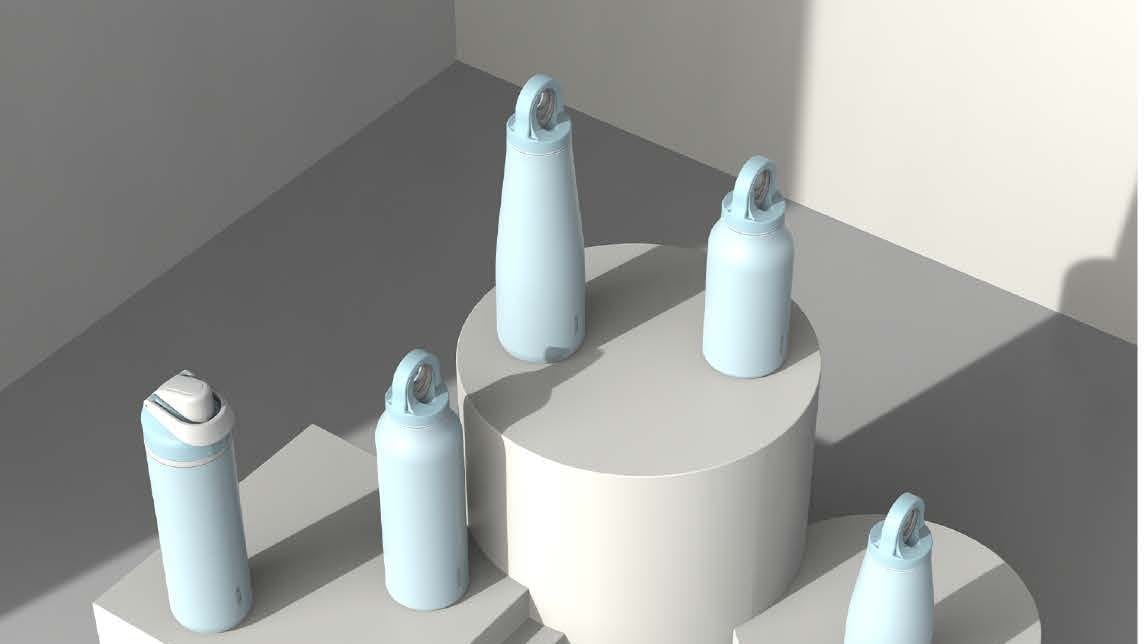
Start With a SKU Architecture
Before requesting samples, list the planned sellable SKUs and the manufacturing variables behind them. A customer-facing SKU may differ only by packaging language, while a factory configuration may differ in resin color, lid component or finish. Both views are needed.
Group the program into three levels:
- Platform: shared body construction, major dimensions, interface and core components.
- Variant: controlled differences such as capacity, lid, color, surface finish or accessory.
- Sellable SKU: the exact combination of product, logo, packaging, barcode and destination.
This hierarchy shows where one approval can legitimately support several SKUs and where separate evidence is required. It also prevents a buyer from assuming that a shared silhouette means shared materials, tooling or test coverage.
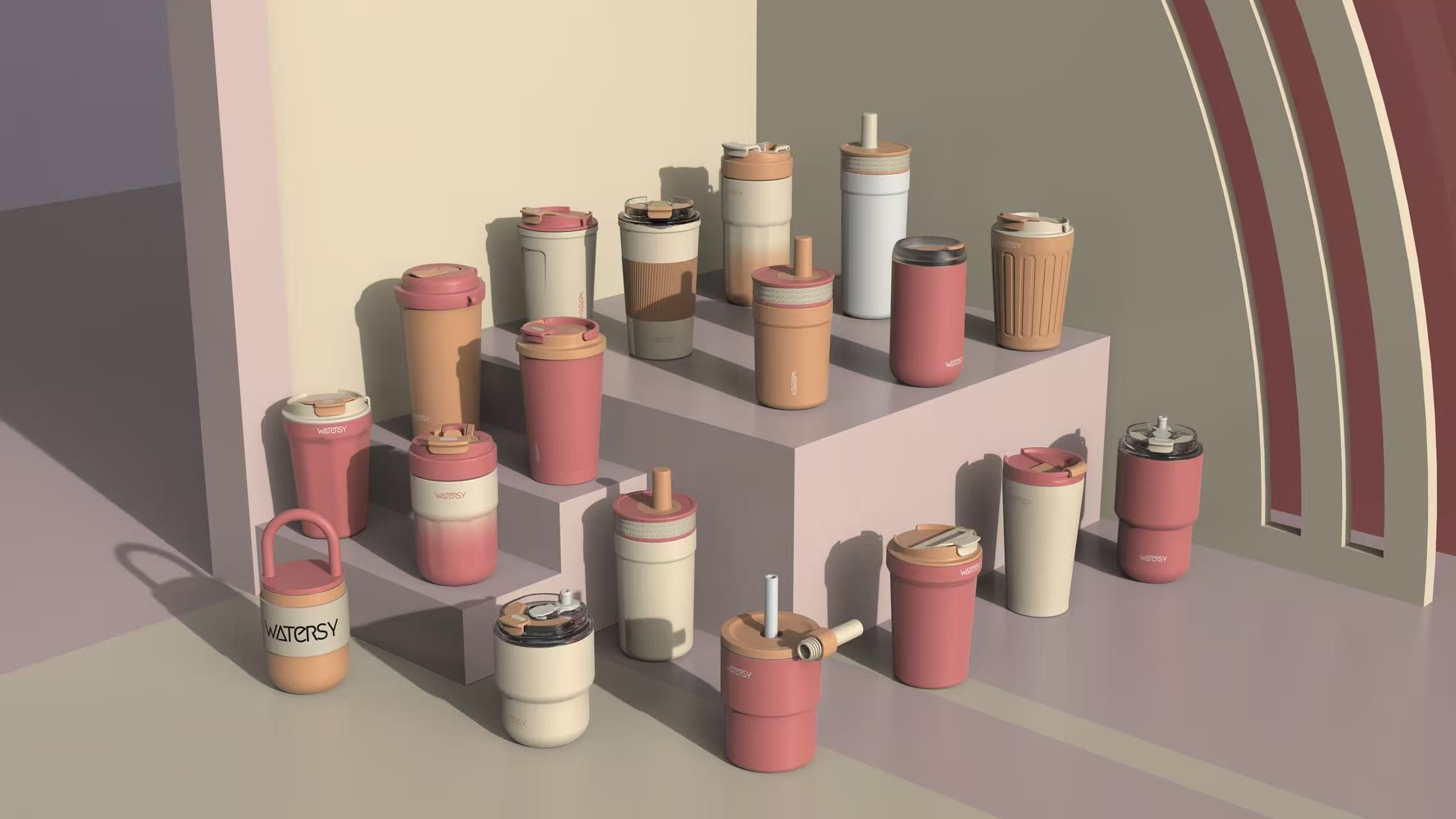
Build One Master Variation Matrix
Use a single controlled table as the program's source of truth. Each row should represent one sellable SKU.
| Field | Why it matters | Approval owner |
|---|---|---|
| SKU code and description | Prevents naming conflicts | Product manager |
| Body/platform reference | Identifies shared construction | Engineering |
| Capacity and dimensions | Connects product, packaging and channel constraints | Engineering/buyer |
| Lid and component set | Controls fit, color and assembly | Engineering |
| Material specification | Supports sourcing and compliance review | Quality/compliance |
| Surface and color reference | Controls visible variation | Brand/product |
| Logo method and artwork | Controls process and placement | Brand |
| Packaging revision | Connects each SKU to the right pack | Packaging/operations |
| Barcode and destination | Prevents fulfillment errors | Operations/compliance |
| Sample and approval status | Makes open decisions visible | Program owner |
Do not maintain separate uncontrolled spreadsheets for commercial, design and factory teams. If different systems are necessary, establish which record is authoritative and how revisions synchronize.
Approve Shared Decisions Before SKU-Specific Details
Approval sequence matters. A typical order is:
Gate 1: Platform feasibility
Confirm the base product format, construction, capacity, key dimensions, lid interface and mandatory use-case requirements. If new mold development is required, close core engineering questions before generating a full color assortment.
Gate 2: Component configuration
Approve the lid, gasket, straw, handle, accessory and assembly relationships. A component change can affect packaging, testing and every derived SKU.
Gate 3: Finish and color system
Define substrate, surface process, color references and how appearance will be judged. Identify whether one representative color is sufficient for process validation and which colors need separate visual approval.
Gate 4: Logo and artwork
Approve method, size, placement and file revision. Keep logo approval separate from color approval so a rejection has a clear cause.
Gate 5: Packaging and SKU data
Connect each approved product configuration to the correct packaging, barcode, language and carton data.
Gate 6: Production release
Release only SKUs with all mandatory fields closed. “Approved except for artwork” is not an unqualified production approval.
This order is a framework, not a claim that all projects require the same sample count. Sampling should reflect actual risk and the differences among SKUs.
Use a Representative-Sample Strategy Carefully
Sampling every possible combination may be unnecessary, but sampling only one item can hide important differences. Decide which variation carries each risk.
| Variable | Possible representative approach | Reason to require separate review |
|---|---|---|
| Shared body construction | One production-intent platform sample | Capacity or dimensions change |
| Lid system | One sample per distinct lid/component set | Interface, material or assembly differs |
| Surface process | One sample per process family | Process changes, not only color |
| Color | Approved standard plus selected physical samples | Visual sensitivity or material color differs |
| Logo | One sample per method/placement | Artwork size, geometry or process changes |
| Packaging | Structural dummy plus artwork proofs | Size, insert, barcode or language differs |
Write the rationale in the approval record. A representative sample is valid only for the characteristics it actually represents. It cannot automatically prove that all colors, capacities, components or packaging versions comply with every requirement.
Prevent Feedback From Becoming the Critical Path
Buyer approval delays are often caused by organization rather than sample lead time. Set these rules before the first submission:
- one program owner consolidates comments;
- one authorized approver signs each decision domain;
- feedback references SKU, component and revision;
- conflicting comments are resolved internally before return;
- every rejection states the requirement that was missed;
- new requests are logged as changes, not hidden inside approval notes;
- approval deadlines distinguish buyer review time from factory work time;
- silence is never treated as approval unless the contract explicitly says so.
Use a decision log with the date, item, revision, decision, approver and downstream impact. This protects repeat orders because the team can reconstruct why a component or color was selected.
Treat MOQ and Capacity as a Program Configuration
A multi-SKU request should state total volume and volume per variant. Watersy has no universal MOQ across all drinkware. Practical quantities depend on structure, process, inventory status, surface treatment, logo, packaging, colors, components and how the order is split.
Ask the manufacturer:
- Which process or purchased component sets the minimum?
- Can volumes be combined across colors or logos, and under what conditions?
- Does each packaging artwork create a separate constraint?
- Are any components common enough to purchase or produce together?
- Which SKUs require distinct setups or tooling?
- How will first-order quantities differ from repeat-order planning?
Capacity needs similar context. Watersy's overall production statement is 50,000+ units per day across all product lines, not a guaranteed daily output for one SKU or assortment. A real plan must consider platform, processes, components, line loading, SKU changes, inspection and the requested window.
Control Changes After Approval
Changes should be classified before acceptance:
- administrative: naming or data correction with no product impact;
- visual: artwork, color or placement change;
- component: lid, gasket, accessory or material change;
- structural: dimensions, interface or tooling change;
- packaging: dieline, insert, quantity or labeling change;
- compliance-relevant: change affecting intended market, food-contact material, evidence or test scope.
For each change, identify affected SKUs, files, samples, tooling, packaging, evidence and schedule. Then issue a new revision. Never overwrite the approved record without retaining the decision trail.
Late additions deserve particular caution. Adding “just one more color” can create new color approval, artwork, packaging, barcode, quantity and line-change implications. Evaluate the whole dependency chain before accepting it into the current production release.
Watersy's Manufacturer View
Watersy supports six website product lines and can customize bodies, capacities, colors, logos, surfaces, lids, packaging and private molds. Its 27 injection-molding machines support PP, Tritan and silicone lid-related components according to project needs. That range makes platform planning important: a multi-line assortment should not be treated as a loose list of product images.
Watersy's complete factory workflow is planned across requirement review, sampling, mold development when required, mass production, QC and shipment preparation. The approved planning range is 22–58 days, excluding international transport and buyer approval delays, and it is not a fixed promise for every program. A multi-SKU project protects that plan by closing shared engineering decisions before proliferating variants.
For the wider development framework, see the Complete OEM/ODM Guide and the custom MOQ guide.
Multi-SKU Release Checklist
Before releasing a program, confirm:
- every sellable SKU has a unique code;
- shared and variable elements are explicitly marked;
- the master matrix has one owner and version;
- representative-sample logic is documented;
- technical approval precedes artwork and packaging release;
- every artwork, barcode and language maps to the correct SKU;
- open issues are visible rather than buried in email;
- order quantities are shown by SKU and total program;
- compliance evidence is matched to the actual material and model scope;
- changes trigger impact review and revision control;
- only fully approved SKUs enter production planning.
The purpose of this system is not more paperwork. It is fewer ambiguous decisions.
Discuss Your Multi-SKU Program
Share your target product platforms, SKU matrix, quantities, customization layers, destination markets and milestone dates with Watersy. We can review how to group shared elements, identify high-risk variations and structure an approval sequence before sampling and production planning.
Related guides